
Salalah history and the frankincense trade
Salalah history is best approached through the relationship between land and sea. In Dhofar, in southern Oman, frankincense trees, a caravan oasis and trading ports belong to the same historical story. Al-Baleed brings the port setting into a city visit, while the wider region shows how production and trade extended beyond the waterfront. Begin with these connections rather than treating every old building as part of a single monument.
A useful cultural day combines time in the Al-Baleed archaeological park with an understanding of its maritime role. The Museum of the Frankincense Land adds context to that visit. For the wider city and regional choices, use our Salalah overview and tour comparison. A city-focused itinerary serves a different purpose from a full day travelling into the mountains or desert.
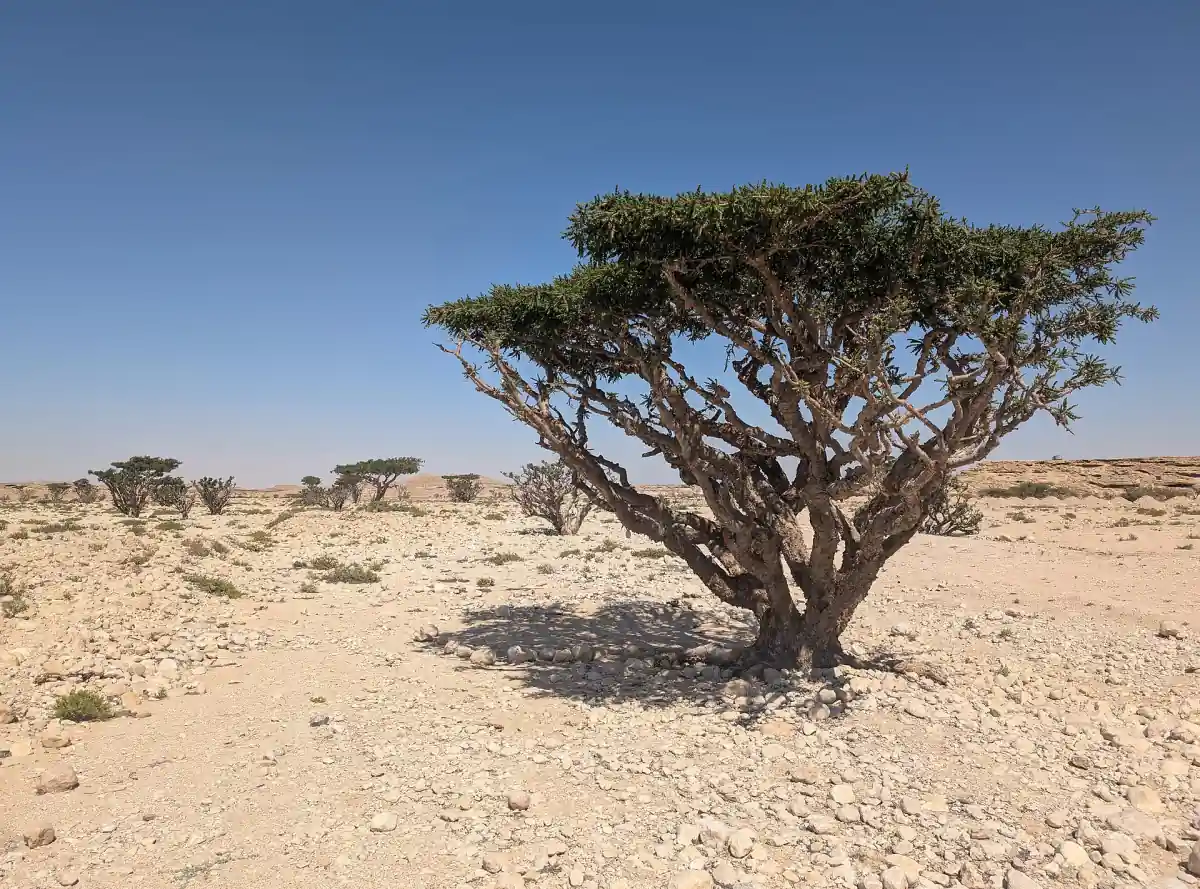
Land of Frankincense: four connected places
The UNESCO property called Land of Frankincense comprises exactly four components: Wadi Dawkah, Shisr/Wubar, Khor Rori/Sumhuram and Al-Baleed. Inscribed in 2000, they document the production and trade of frankincense in antiquity and the medieval period. The designation belongs to these components; use it to understand their relationship rather than applying it to every attraction in Salalah.
Wadi Dawkah represents the frankincense trees, Shisr/Wubar the caravan oasis, and Khor Rori and Al-Baleed the ports. This gives a clear way to organise your interests: the growing landscape, movement inland and exchange by sea. You need not fit all of them into one city outing. If the inland landscape is part of your plans, the desert tour guide explains the distinction between dunes and product-dependent cultural stops.
Our pick: Salalah heritage
Our take: This guided city outing suits a history visit with a mosque, souq and museum on the itinerary.
Hand-picked tours, booked through GetYourGuide. Prices are indicative starting prices in US dollars (as of November 2026). Tap a tour for live availability and the current price in your currency.
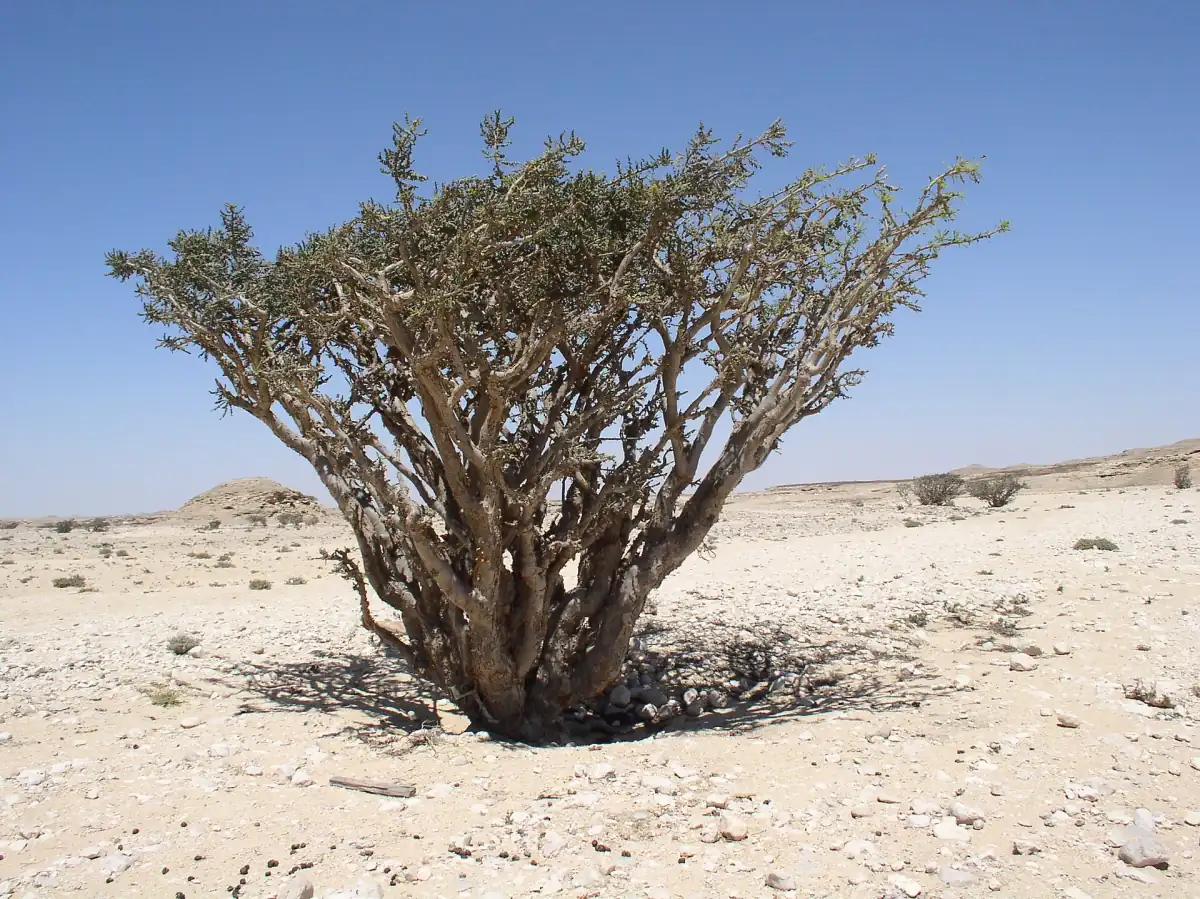
Our take: put the city in historical context
The guided heritage visit combines a mosque, palace exterior, frankincense souk and museum visit, with a coconut drink at the fruit market.
Al-Baleed and the port of Zafar
Al-Baleed is the ancient and medieval Zafar, an Islamic port city connected to the trading networks of the Indian Ocean. Its links reached the Indian peninsula and China. Thinking of the site as a port makes the wider frankincense story more tangible: goods from the region were part of exchanges extending far beyond the coast of Dhofar.
Allow space in the visit for questions about urban life as well as trade. Archaeological work discussed at a conference in February 2026 addresses the site's development, everyday life and trading relationships. That ongoing research is part of understanding the place. It should not be used to infer that the entire archaeological park is closed.
Museum of the Frankincense Land
The Museum of the Frankincense Land sits within the Al-Baleed archaeological park. Its historical opening was on 23 July 2007. Older ministry documentation from 2023 described a History Hall and a Maritime Hall, covering subjects such as Oman, frankincense, shipbuilding, navigation and trade. These themes explain why a museum visit complements the port ruins; let the current displays shape the detail of your visit.
Arrange the day's museum access around current visitor information, especially if the city itinerary includes several other stops. A museum visit named in a guided route and an admission ticket are different parts of planning. Establish the ticket arrangements separately rather than reading the stop's inclusion as an entrance entitlement. Leave enough flexibility to enjoy the historical context instead of rushing solely to complete a list.
A guided city visit and maritime context
The historical city outing lasts four hours. Its included programme names Sultan Qaboos Mosque with a local guide, an exterior photo stop at Sultan Qaboos Palace, Al Hosn Souq for frankincense and local handmade gifts, and a visit to the museum. A coconut drink at the fruit market is also included. Pickup is included, with the precise arrangements provided according to availability.
This combination suits someone who wants the heritage story alongside present-day city places. The palace stop is outside, while the souk and museum contribute different perspectives on frankincense and local history. If your accommodation location matters to the day's travel, the area guide explains Al Haffa and the cultural connection with Al-Baleed without turning the visit into a hotel recommendation.
Clothing, mosque visits and respectful photography
Dress modestly, especially at religious sites, and ask permission before photographing people. A mosque visit calls for attention to the instructions at the entrance and respectful behaviour around worshippers. Keep this part of the day distinct from an exterior palace photograph or a landscape stop. During Ramadan, eating, drinking and smoking in public during daylight are prohibited for Muslims and non-Muslims alike; plan refreshments around that requirement.
Questions about Salalah's heritage
Is all of Salalah a UNESCO World Heritage Site?
The Land of Frankincense inscription comprises Wadi Dawkah, Shisr/Wubar, Khor Rori/Sumhuram and Al-Baleed. The designation is specific to these four components.
Why is Al-Baleed important?
Historic Zafar was an Islamic port in the Indian Ocean trading network, with links to India and China. It connects Dhofar's inland production with maritime exchange.
Does the historical tour include a museum ticket?
Its programme includes a museum visit with the guide. Establish admission arrangements separately when organising the day; a visit in the itinerary should not be treated as an explicit ticket inclusion.